

February 10, 2026 | Posted By: Dave Scher
 Selling a business you’ve built from the ground up is one of the most significant decisions you’ll ever make as an entrepreneur. Whether you’re ready to retire, pursue a new venture, or capitalize on the value you’ve created, the process of selling a business can be complex, emotional, and fraught with potential pitfalls. This guide will walk you through what you need to know and how the right legal partner can make all the difference.
Selling a business isn’t like selling a house. It involves multiple stages, each requiring careful attention to detail, strategic planning, and legal expertise.
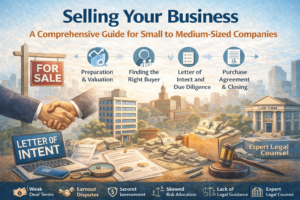
Preparation and Valuation
Before you list your business, you need to understand its value. Business valuation considers your revenue, assets, customer base, market position, growth potential, and intangible factors like brand reputation. Many sellers overestimate or underestimate their business value, which can either scare away serious buyers or leave money on the table.
Preparation also means getting your financial house in order. Buyers will conduct extensive due diligence, examining everything from tax returns and financial statements to employment agreements and customer contracts. Any red flags—inconsistent records, pending litigation, or unclear ownership structures—can derail a deal or significantly reduce your sale price.
Finding the Right Buyer
Not all buyers are created equal. Strategic buyers (companies in your industry) may pay a premium because they see synergies with their existing operations. Financial buyers (such as private equity firms) may be seeking cash flow and growth potential. Individual buyers may want to step into an owner-operator role.
Each buyer type has different priorities, due diligence requirements, and deal structures. Understanding who you’re dealing with and what motivates them is critical to structuring a deal that works for both parties.
Letter of Intent and Due Diligence
Once you’ve found a serious buyer, they’ll typically submit a Letter of Intent (“LOI”). This non-binding document outlines the proposed purchase price, deal structure, timeline, and key terms. While it’s “non-binding,” the LOI sets the framework for everything that follows, so negotiating favorable terms at this stage is crucial.
After the LOI is signed, the buyer begins due diligence, a comprehensive review of your business. They’ll examine contracts, leases, intellectual property, employee agreements, regulatory compliance, financial performance, and more. This phase can last weeks or months, and any issues that surface can lead to renegotiation or even a collapsed deal.
Purchase Agreement and Closing
The purchase agreement is where the deal gets real. This legally binding contract spells out every detail: purchase price, payment terms, representations and warranties, indemnification provisions, non-compete clauses, transition assistance, and more. The language in this document can protect you from future liability or expose you to significant risk.
Closing involves transferring ownership, settling outstanding debts, distributing proceeds, and ensuring compliance with all legal requirements. Even at this final stage, issues can arise that threaten to delay or derail the transaction.
Common Pitfalls When Selling a Business
Many business owners assume they can handle the sale themselves or with just an accountant and a broker. While brokers can help find buyers, they’re not attorneys and can’t provide legal advice. Without experienced legal counsel, sellers often:
Buyers want broad representations and warranties to protect themselves against unknown risks. Sellers need to carefully limit these provisions to avoid liability for issues after closing. The indemnification provisions, which determine who bears liability if something goes wrong, are often heavily negotiated and can mean the difference between walking away cleanly and facing years of post-closing disputes. Many deals include earnouts or other contingent payments based on future performance. While these can bridge valuation gaps, they’re also a common source of disputes. Vague earnout provisions, disagreements over calculation methods, or buyer actions that undermine the earnout can leave sellers with far less than they anticipated.
Why Legal Representation Matters
A business sale isn’t just a transaction; it’s the culmination of years of hard work and the foundation of your financial future. Having an experienced attorney by your side throughout the process provides:
- Strategic Guidance: Understanding market terms, structuring options, and negotiation strategies.
- Risk Mitigation: Identifying and addressing legal issues before they become deal-breakers.
- Document Review: Ensuring every agreement protects your interests and limits your liability.
- Due Diligence Management: Responding to buyer requests efficiently while protecting confidential information.
- Tax Planning: Coordinating with your accountant to structure the deal in the most tax-efficient manner.
- Dispute Resolution: Addressing issues that arise during due diligence or closing negotiations.
How Hoyer Law Group Partners with Business Sellers
At Hoyer Law Group, we understand that selling your business is one of the most important financial decisions you’ll make. That’s why we take a different approach. We don’t just show up at closing to review documents. We partner with you from the moment you’re considering a sale – helping you prepare, position your business, navigate buyer discussions, negotiate terms, and close the deal. We’re in your corner at every stage, providing the strategic and legal guidance you need to maximize value and minimize risk.
Business sales can take months and involve numerous twists and turns. We don’t hand you off to junior associates or disappear when things get complicated. We stay engaged throughout the entire process, adapting our strategy as circumstances change and fighting for your interests when negotiations get tough.
Contingency-Based Representation: If You Win, We Win
Unlike traditional legal engagements that require large upfront retainers, we often work on a contingency basis when representing business sellers. That means you pay nothing up front. We only succeed when you succeed – when your deal closes, and you get paid. This alignment of interests ensures we’re fully invested in achieving the best possible outcome for you.
Experienced, Focused Representation
We focus on small to medium-sized business transactions because we understand the unique challenges these deals present. We know the market, we know the players, and we know how to structure deals that work for business owners like you.
Whether you’ve already identified a buyer or you’re just starting to explore your options, we’re here to help. Our goal is simple: to ensure you get the maximum value for your business while minimizing your risk and stress.
Ready to discuss selling your business? Contact us. Let’s partner together to make your business sale a success, from beginning to end.